




When your collection grows, remembering which miniatures are finished, which still need bases and which were bought for a particular adventure becomes harder. A simple inventory gives you a useful answer before you order another model or begin planning game night.
Use a notebook, a notes app or a spreadsheet you already understand. The system only needs to help you find a miniature and decide what happens to it next.
Start with one tray or one project
Do not wait until you can catalog everything. Begin with the figures for your current campaign or the models on your painting desk. Photograph that group, give it a clear name and record the pieces you can identify.
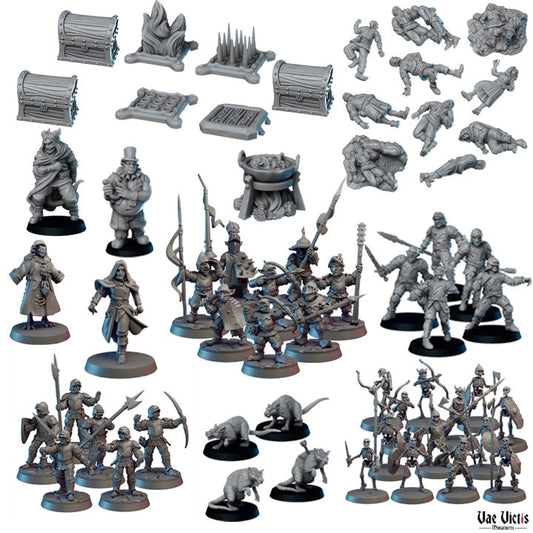
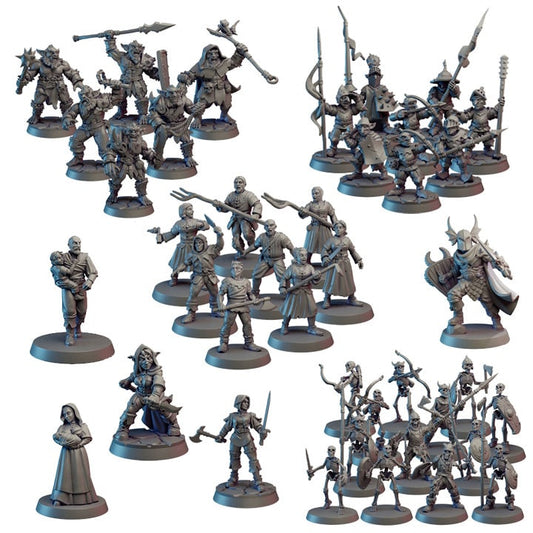
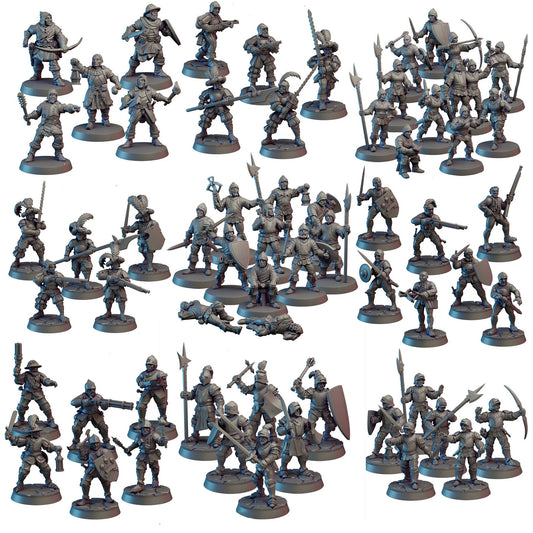
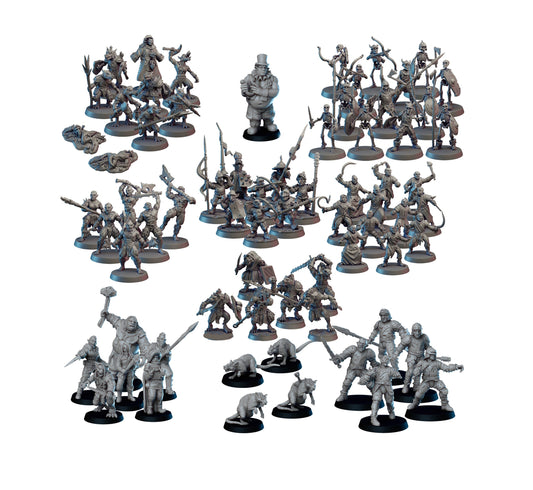
If you own a large mixed set, such as the 40-Piece Miniature Starter Set, you can start with one group record. Split it into individual characters or creature groups when that becomes useful. A working record today is more helpful than an elaborate system you never finish.
Record the details that answer real questions
- Model and designer: the sculpt’s name, its designer and a link to the listing.
- Selected option: the scale, pose or set choice from your order.
- Count: the number of models you own, rather than just the number of order lines.
- Base: the selected style and, if relevant, its measured diameter.
- Project stage: received, assembly, painting, basing or finished.
- Location and role: where you keep it and how you intend to use it.
Keep an order reference privately if it helps you find purchase details later. If you share your inventory with a gaming group, remove personal purchase information and share only the model and project notes they need.
Make one example record
Suppose you own a 28mm Giant Rat Set of 4. Your record could read: “Giant Rats — Vae Victis Miniatures — 28mm — four models — painting — cellar encounter — tray B.” Add the base and finish details that apply to your actual models.
If you later buy one extra rat, update the model count and note which pose it is. This avoids mistaking two product selections for two figures. Our single-model and full-set guide explains those choices.
Save paint decisions you will want to repeat
For a cohesive group, note the colors used for the main clothing, metal, leather and base. Record paint names or ratios only where they will help you reproduce a result. A quick photo under the same lighting can be a useful companion to those notes.
Choose one shared element for a mixed collection: matching base rims, a recurring cloth color or the same ground texture. See our miniature color scheme guide for a practical starting point.
Use the inventory to choose your next project
Before shopping, look for a specific gap. You might have plenty of heroes but few townsfolk, several creatures without suitable scenery, or a finished group still waiting for bases. A clear gap gives your next purchase a purpose.
Keep a short “next three projects” list. For each one, write the models you already own and the additional pieces, if any, that it needs. That makes it easier to compare a terrain piece with a new figure, or choose bases and basing details that finish an existing project.
Update the record when you complete a model or put it away. A minute at that point is enough to keep the collection useful without taking time away from painting and playing.
Featured image: product render of the 40-Piece Miniature Starter Set by Vae Victis Miniatures. Models are supplied unpainted; bases depend on the selected option.