




A cloak is a useful place to practice miniature painting because its folds give you a guide for placing shadows and highlights. Start with one garment and aim for clearly defined shapes. You can refine the transitions after the basic pattern makes sense.
Look at the sculpt before choosing your brushstrokes
Set a prepared, primed miniature beneath a desk light and examine the cloth. Find the deep channels, the broad raised folds, and the surfaces facing upward. Take a quick reference photo from the angle you expect to view the figure. That gives you a simple lighting plan to return to while painting.
The cloak on our Elf Swordsman Warrior by Vae Victis Miniatures is a good example of a sculpt with broad fabric surfaces. Its hood and sweeping hem offer different shapes to study without needing to invent every fold yourself.
Choose a dark, middle, and light color
Pick three related colors: a shadow, the main cloth color, and a highlight. For a first attempt, try dark navy, medium blue, and a lighter blue. Make a small swatch of each on your palette and check that you can distinguish them before putting paint on the model.
The Army Painter's triad guidance describes building from a dark base, placing progressively lighter colors over smaller areas, and leaving the deepest tones in the recesses. You can use that structure with the colors you already own.
Paint smaller areas as you go lighter
Cover the garment with your shadow color using thin, controlled coats and let it dry. Add the middle color to the broader folds while preserving dark channels between them. Then use the lightest color sparingly on the upper parts of selected folds.
Try completing one fold before working across the whole cloak. It becomes a useful example of how much dark, middle, and light color you want to leave visible. Follow the paint maker's thinning guidance and test your brush load on the palette.
Keep the fabric effect soft
Cloth does not need the same bright edge treatment as polished gems or metal. The Army Painter's highlighting tutorial makes that distinction and recommends selecting highlights according to the light source.
If a highlight becomes too wide, use the middle color to narrow it once the paint dries. Put the figure down and check it from normal playing distance before adding more. For this practice session, a readable cloak is a useful stopping point; decorative borders and weathering can wait.
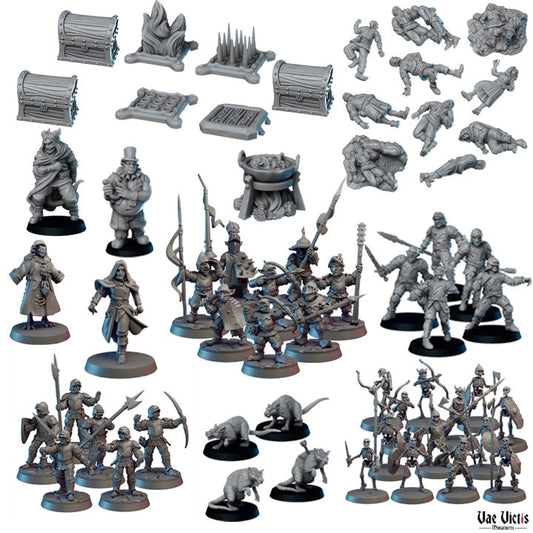
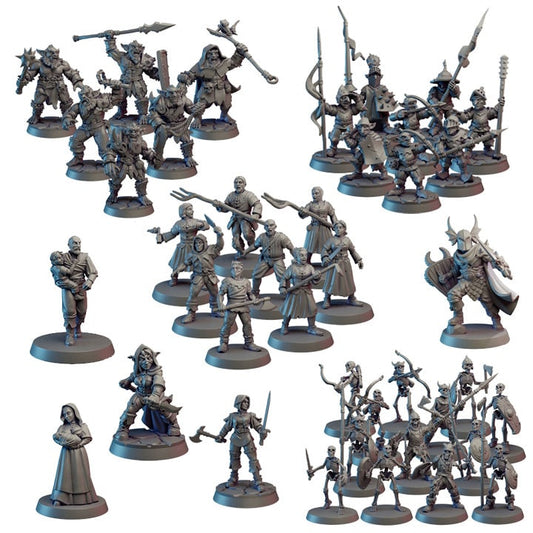
Featured image: Vae Victis Miniatures digital sculpt renders from our Elf Swordsman listing, illustrating the cloth shapes rather than a painted result.