




A small diorama can capture a whole story in a single moment: a florist preparing the last bouquet before a festival, a traveler discovering an abandoned camp, or a guard noticing something behind a market stall. Start with that moment, then choose the pieces that make it visible.
Here is a planning exercise for a display you can finish without turning it into an entire town.
Write the scene in one sentence
Describe what is happening right now. “A florist is hiding a mysterious letter in a bouquet” gives you more to work with than “a flower market.” You have a main character, a meaningful object, and a reason for someone to look closely.
Underline the most important part of that sentence. That is the detail your layout needs to show. If the letter is too small to represent, a second character waiting nearby could suggest the secret delivery.
Set the footprint before choosing every prop
Measure the shelf or display space where the finished piece will live. Draw the planned outline on paper, then mark the space needed by your main miniature and its base. Include tall features such as banners or signposts when considering a display cover.
Make paper stand-ins for furniture and scenery. Rearrange them until the scene fits comfortably. This is also a useful moment to check the product listing for included pieces, scale options, and any base or assembly details.
Pick a main viewing angle
Imagine someone seeing the scene at shelf height. Put the main character where the face and action are visible from that angle. Try placing a taller object toward the back and a lower prop in front, leaving an open view between them.
For the florist scene, a signpost can establish the shop, a flower stand can frame the character, and a single waiting customer can suggest the next event. You can leave other pieces for a future project.
Add three clues with different jobs
- Place: a shop sign, doorway, or workbench tells viewers where they are.
- Activity: a basket, tool, or parcel suggests what the character is doing.
- Surprise: one unexpected detail invites a second look, such as a hidden message or an unusually watchful animal.
Give each addition a job. If two props communicate the same thing, temporarily remove one and see whether the scene reads more clearly.
Record the arrangement before building
Photograph your temporary layout from the intended viewing angle and from above. Write a short list of the next steps: preparing the pieces, planning colors, assembling the display, and adding the final details. Keep the layout photo with that list so you can resume the project easily.
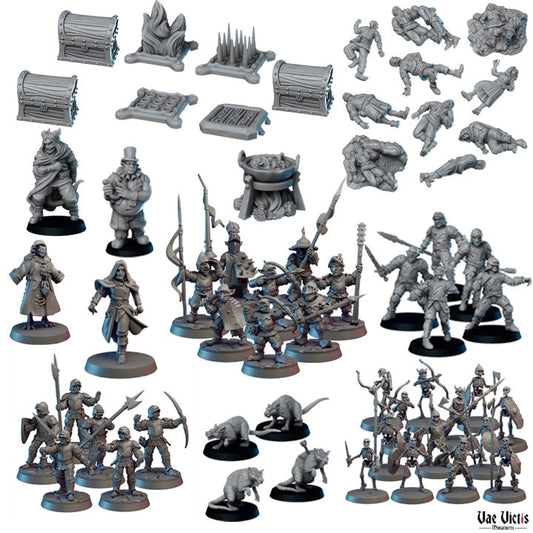
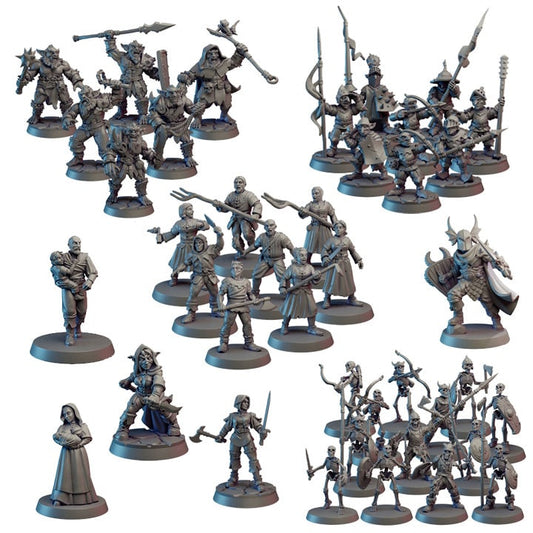
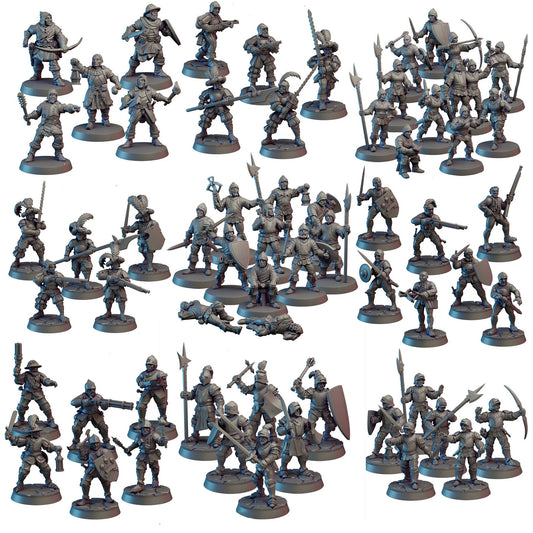
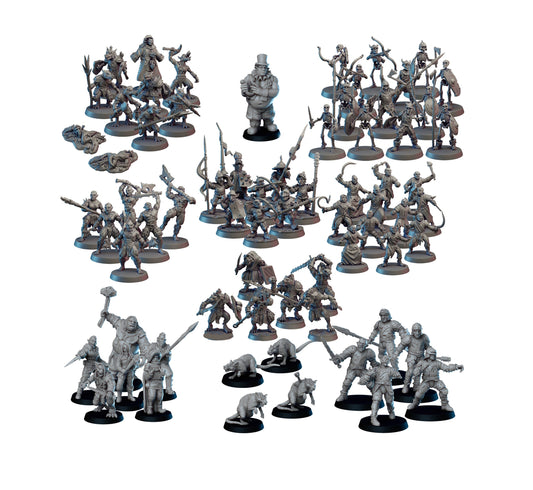
Our Florist Vendor Set offers a starting point for a market scene. Choose the pieces that serve your story and let the character remain the focus.
Featured image: digital catalog render by STL Miniatures. The story and display arrangement described here are original project ideas.