




A rescue mission creates a clear goal: get someone out. Miniatures make it easy to track where the captive, guards, and exits are, but the encounter becomes more interesting when the party can choose how to approach that goal. Here is a flexible framework for a fantasy game.
Define success before placing enemies
Write one sentence: “The party must get the detained courier through the courtyard before the transfer wagon leaves.” Then decide what the courier knows and why the group cares. The objective is now understandable even if nobody draws a weapon.
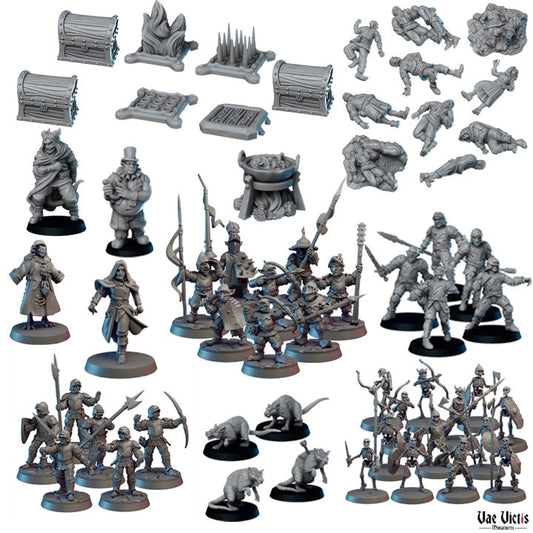
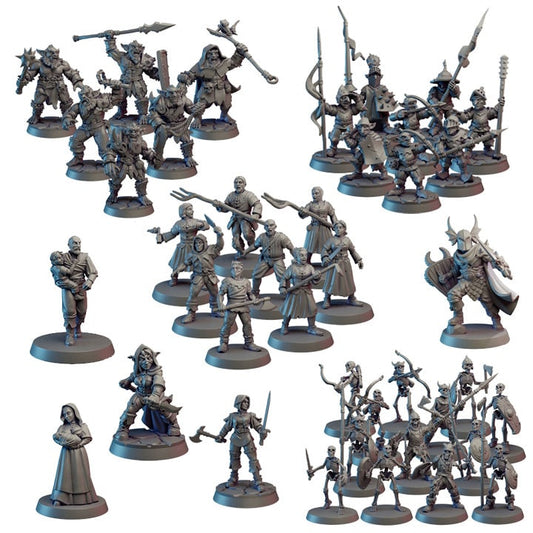
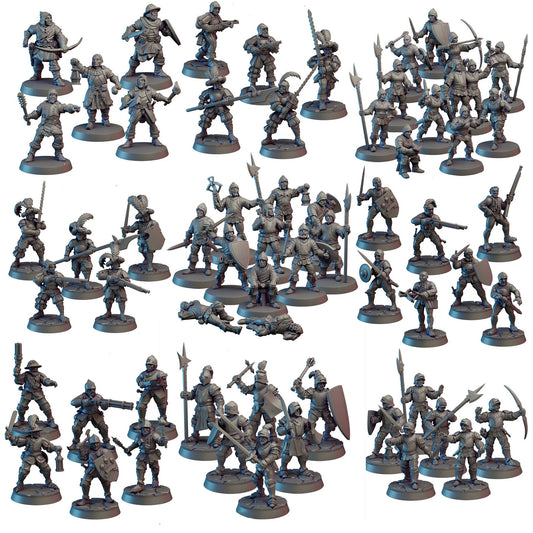
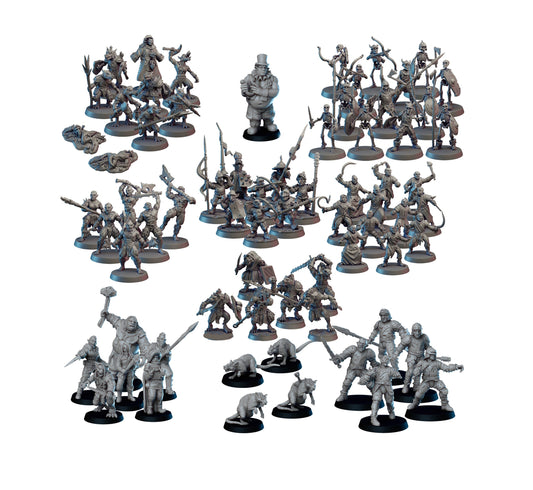
The Prisoner & Guard Miniatures listing offers characters that can represent several roles. Check its option menu when choosing a single figure or the full set. Assign your own identities to the miniatures; a guard's appearance does not have to dictate their motives.
Draw three routes
Give the main gate a social obstacle, such as a clerk who demands transfer papers. Give a side passage a physical obstacle, such as a jammed door. Leave a longer route through the yard where timing and cover matter. Each option should have a drawback the players can understand.
You do not need three complete buildings. Mark the routes on paper and use a wall or crate to establish the important boundaries. Agree on what blocks sight and which spaces can be crossed before the plan begins.
Give the captive a useful role
The courier knows when the watch changes, can identify the wagon driver, or remembers a side exit. Let the party gain that information through a brief conversation, a signal, or a note. The person being rescued can contribute instead of becoming a silent object to carry.
Choose one guard who has a reason to listen. They might suspect the detention is a mistake or need proof that the party can protect the courier. A believable concern creates room for negotiation without guaranteeing that every request succeeds.
Use a visible deadline
Place four tokens beside the map. Remove one after each major scene development, with fair warning about what advances the countdown. The final token means the wagon is ready to leave. This is a suggested pacing device, not a rule from a particular game system.
If the party misses the departure, change the situation: they can follow the wagon, intercept it later, or secure an official delay. A setback can create the next scene rather than end the adventure.
If pursuit follows, adapt our compact tabletop chase setup using the same figures.
Featured image: Vae Victis Miniatures digital sculpt renders from the Prisoner & Guard listing.