




When several skeletons, guards, or identical creatures share a battlefield, tracking the right one can become a game of pointing. A small identification system keeps the focus on decisions and makes it easier to connect each miniature with your notes.
Start with differences already in the sculpt
Look for features you can recognize from a normal seat at the table: a raised shield, a hood, a broad weapon, or a distinctive stance. Use short descriptions that the whole group understands, such as “hooded knight” or “shield guard.”
A coordinated collection can still offer varied silhouettes. The Frostgrave Knight miniatures by Great Grimoire, for example, provide several visibly different characters within a shared style. Review the product's model and set options when choosing the figures for your group.
Add identifiers where everyone can see them
For repeated sculpts, use numbered tokens placed next to the bases or removable markers that sit beneath them. Give each figure a stable identifier for the encounter. Guard 2 stays Guard 2 even after Guard 1 leaves the scene.
Keep the same identifier in your notes. A short record such as “2 — shield guard — east doorway” is easier to follow than switching between a number, a color, and an improvised nickname halfway through play. Keep secret information on your side of the screen.
Pair color with another cue
If you use colored markers, add a number, letter, or simple shape as well. Players should be able to identify a figure without having to name its color. A blue triangle and a red square give you more ways to describe a position than two plain colored rings.
Test the system from the far side of the table. Tiny handwriting may be clear in your hand and disappear beside a crowded piece of terrain. Choose a few large, simple marks over detailed labels.
Separate identity from changing conditions
The figure's identifier answers “which one?” A condition marker answers “what is happening to it?” Keep those two jobs distinct. Place temporary condition tokens in a consistent position beside the base, and remove them when they stop applying.
For an easy first setup, assign numbers 1 through 4 to four enemies, write those numbers down the side of your encounter notes, and use one separate token style for temporary effects. Explain the system before the first turn.
Pack the reference with the figures
After the session, keep reusable identifiers together in a small container. If you regularly field the same group, save a quick photograph with its labels visible. Your next game can start with a familiar set of names and numbers instead of another round of “which skeleton was that?”
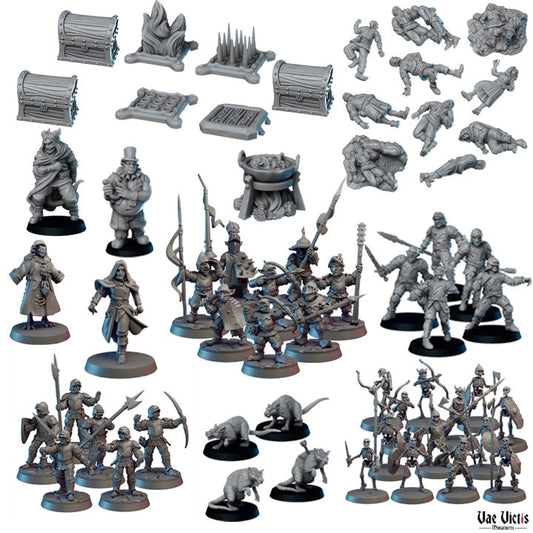
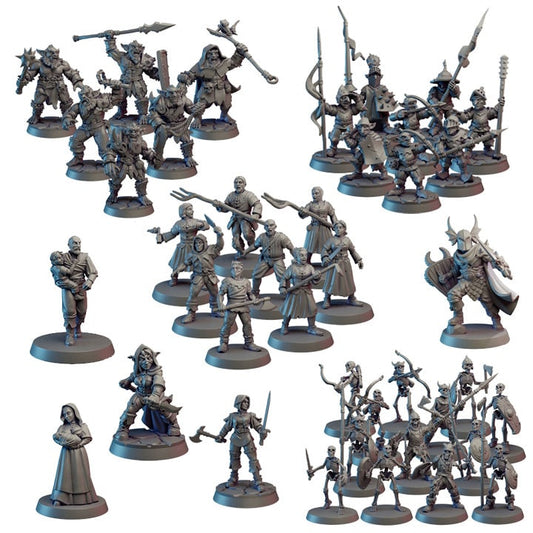
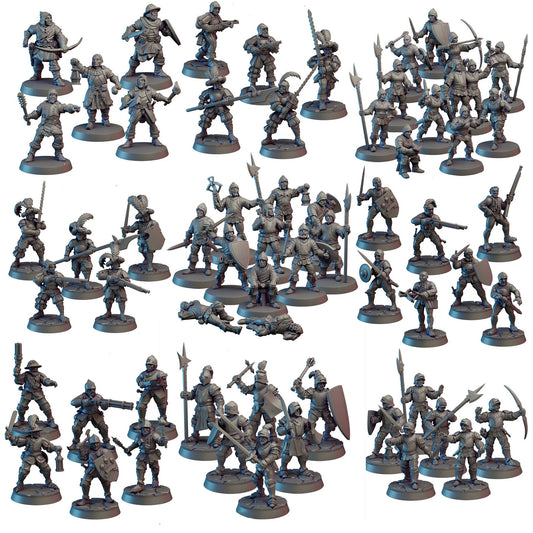
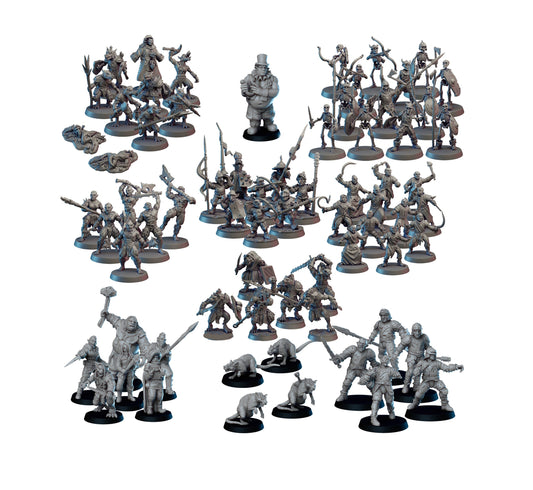
Featured image: Great Grimoire digital renders from our Frostgrave Knight listing, showing the range of designs. Purchase contents depend on the selected product option.