
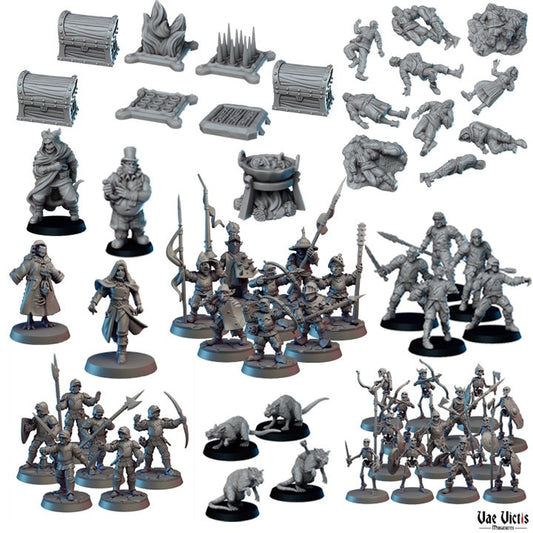
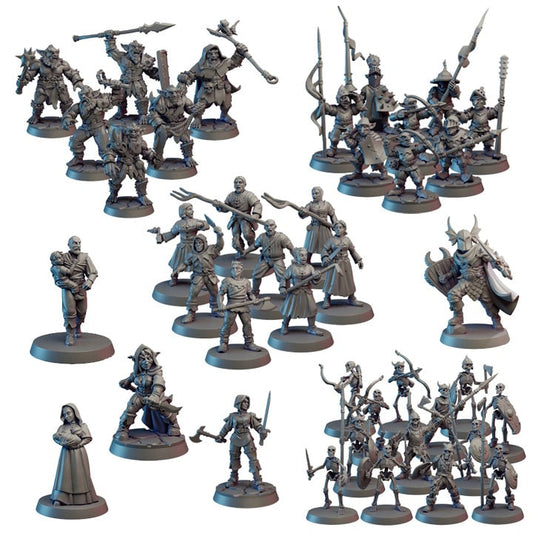
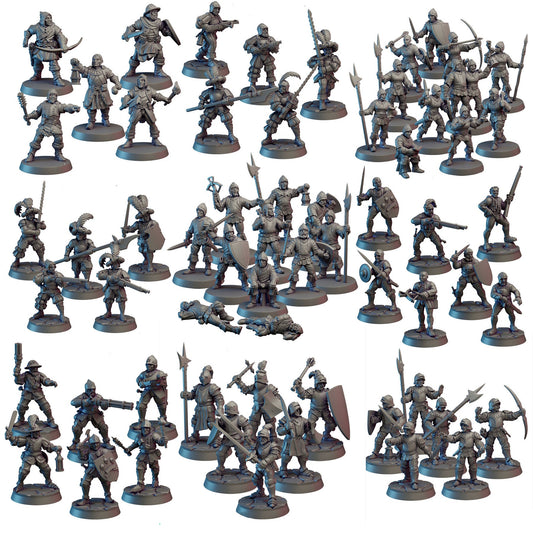
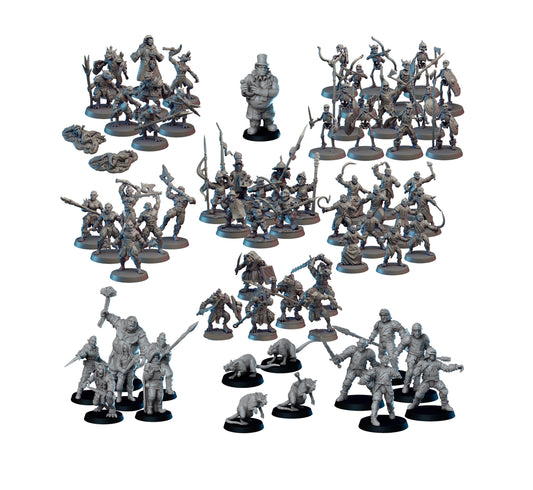



A miniature's base affects more than how it looks on a shelf. Base size changes how a figure fits on a grid, how easy it is to move through a crowded battlefield, and how stable it feels during play. Before choosing a miniature, check the base dimensions listed by the sculptor or seller and compare them with the rules your group uses.
Separate figure height from base diameter
Scale labels such as 28 mm or 32 mm generally describe a miniature's approximate height convention, not the width of its base. Two figures at the same scale can have different footprints, especially when one has a dynamic pose, a large weapon, wings, or a scenic base. Look for the actual base measurement rather than assuming the scale label tells you everything.
Think about the table you play on
On a square grid, a larger base can occupy more than one square and may affect movement or positioning. In a skirmish game, base size can be part of the rules for measuring ranges, line of sight, or objectives. If your group follows a specific game's basing convention, use that rule first. For casual play, agree on a consistent footprint before the session.
Balance stability and detail
A narrow base can be easier to place in tight terrain, while a wider footprint may help a tall or top-heavy pose stand securely. Check whether the miniature arrives with a base, whether the base is integral to the sculpt, and whether the product offers several base options. If you plan to use a display base, leave enough clearance around nearby models.
When in doubt, measure a few bases already used in your collection and choose the closest practical fit. Browse the miniatures and terrain in our shop and check each listing for its scale and included base details.